The look of every lens, measured.
Photograph one standardized on-screen target suite in a dark room. Lensica extracts the real numbers (tone, resolution, vignette, glare, bokeh) and turns them into a shareable profile and a look you can apply.
Been here before? Open the target viewer.
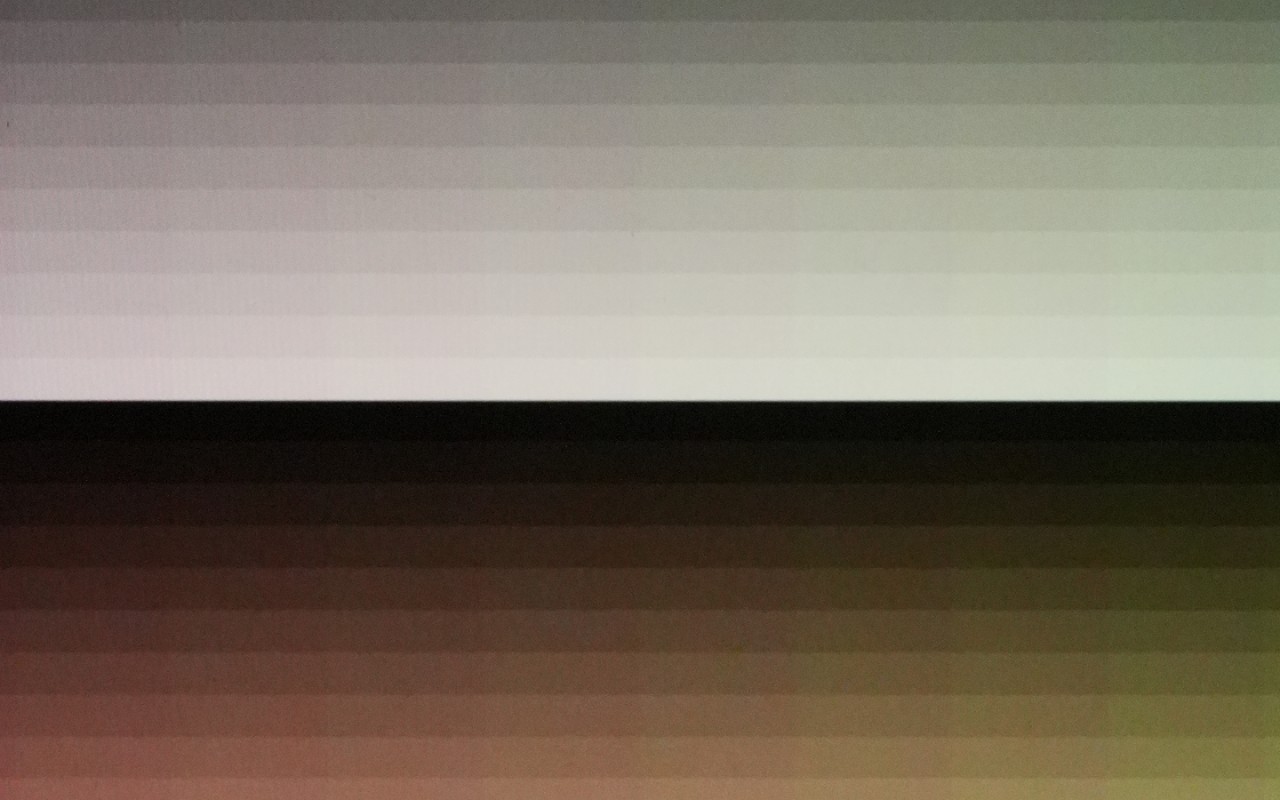
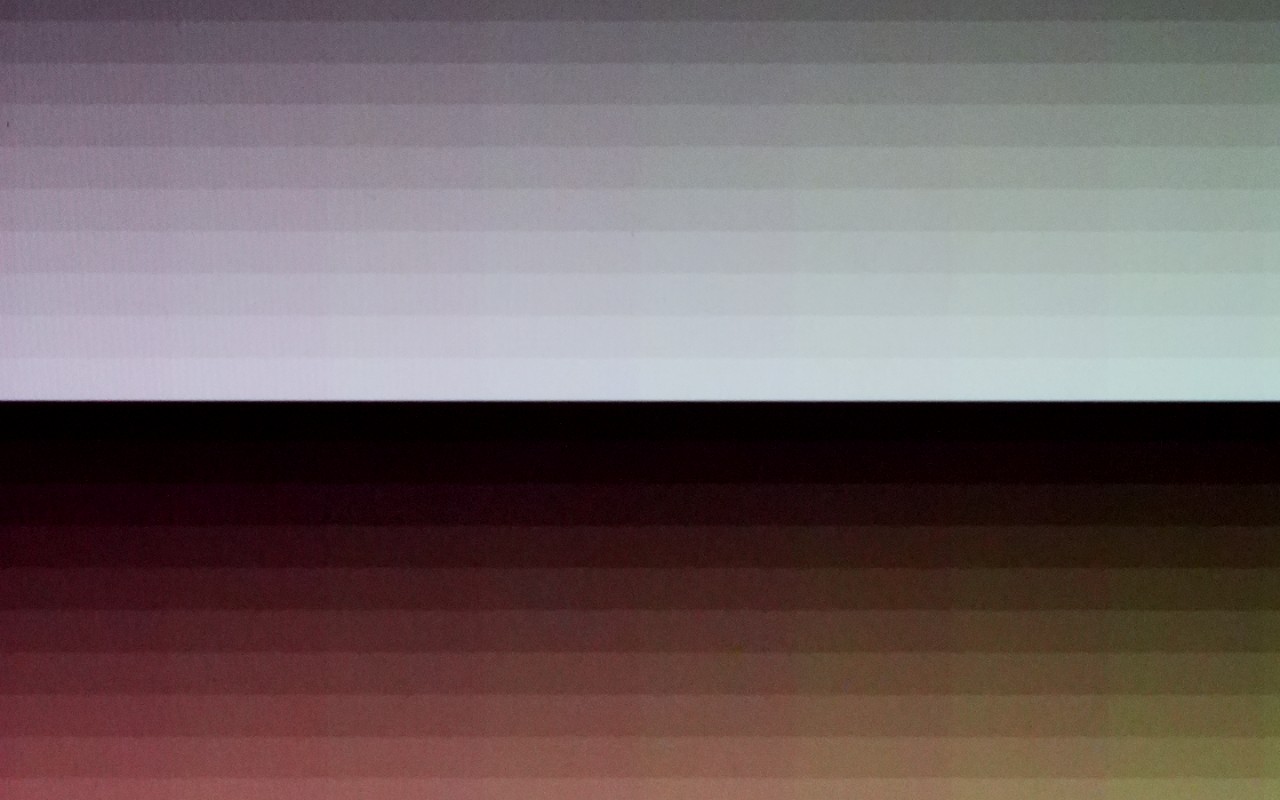
Drag the divider. Left is the source capture; right is the same frame with a measured rig's colour rendering transferred onto it.
One photo, every rig's colour.
Tap a device to render the same shot through its measured colour mapping. Each mapping is fitted from that rig's capture of our spectrum target.
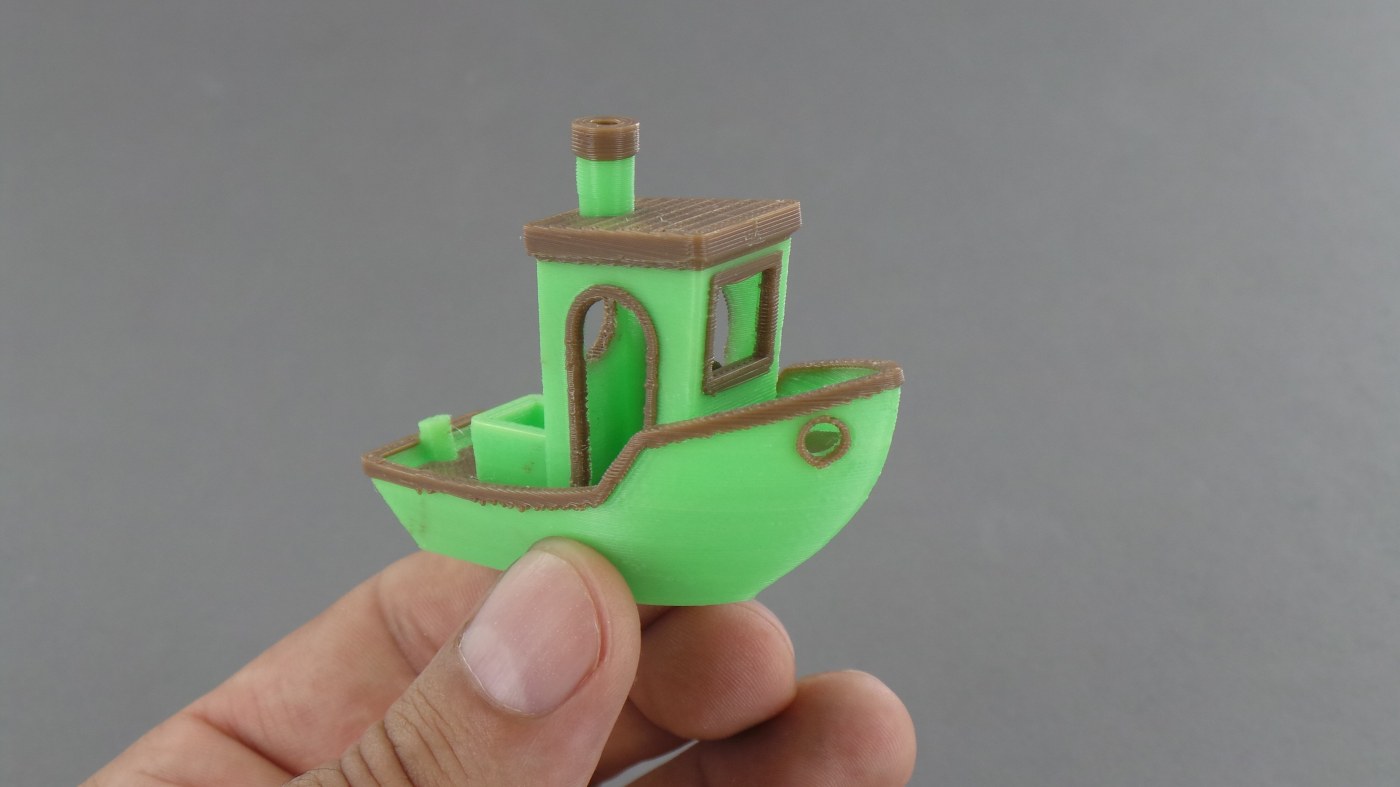
These are measured colour mappings (matrix-only for now; tone and sharpening layers to come) applied to an unprofiled source photo, so treat them as an honest approximation of each rig's colour rendering.
Standardized stimulus
A content-addressed target set, shown 1:1 at native pixels on an Apple display (an iPhone screen is fine). Apple mass-produces tightly calibrated panels, so everyone ends up photographing the same picture. It has to be shown at exact native pixels, never scaled. Every frame is a controlled probe: ramps, spectra, skin tones, slanted edges, point sources.
Real extraction
Fiducial registration, per-channel tone curves, slanted-edge MTF, radial vignette, veiling-glare and PSF crops. RAW and camera-JPEG are separate measurement classes; RAW earns higher confidence.
Network effect
Every capture makes the library denser. The value is in the measurements and the contributors. Originals are archived too, so each methodology improvement re-processes the whole set.